Grass or weed? How to tell if it’s nutsedge
So here’s a funny (and slightly painful) little story from my lawn adventures: I recently decided to patch a bare spot in my yard. You know the drill—loosen the soil, toss some grass seed, add a little fertilizer, peat moss on top, water it lovingly like it’s your new plant baby. Everything seemed to be going great…
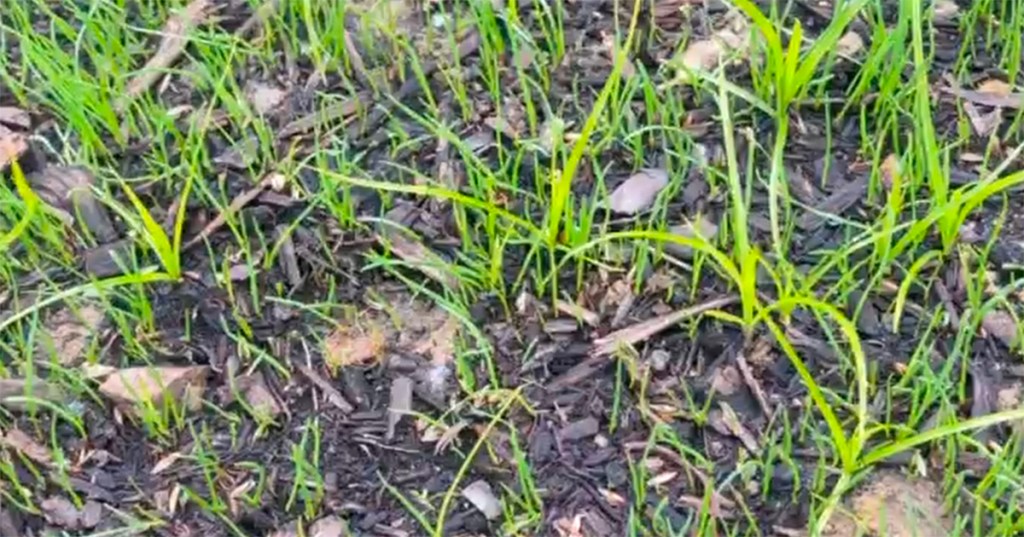
Until this one little patch of grass started growing really fast. Like, suspiciously fast. Greener, taller, just totally outpacing the rest. And silly me—I thought, “Wow, did I accidentally invent some kind of super grass?”
Spoiler alert: I did not.
As I was filming a video about patching a bare spot in the lawn, I thought – hmmmmmm …. better see what this “super grass” actually is, so I don’t look like a TOTAL idiot on my new YouTube channel. So, out of curiosity, I opened my beloved plant identifier app to see what this mystery green miracle was. And there it was in black and white: nutsedge. Though the app interestingly said “this plant looks HEALTHY!” (healthy!) – it was nonetheless …. drumroll please ….. A weed.
A clever, annoying, triangle-stemmed weed.
Nutsedge vs grass – how to tell the difference
If you’re new to identifying nutsedge, here’s a quick rundown:
- It grows faster than your grass.
- It looks shiny and bright green.
- It has a triangular stem if you roll it between your fingers.
- It shoots straight up like it’s trying to win a race.
- And it’s super persistent.
Honestly, it blended in with my baby grass at first. I only caught it because it was growing so much taller and faster than everything else. That’s when I got suspicious.
What I Think I Did Wrong
Now, I’m not a pro (obviously, given the “super grass” moment), but here are a few things I suspect invited the nutsedge party:
- The soil wasn’t deep enough in that spot.
- The area had poor drainage—nutsedge loves wet soil.
- I over watered like a helicopter plant parent.
- And… I may have applied the fertilizer before the peat moss. Whoops?
So yeah, this bare spot fill-in project quickly became a lesson in weed identification instead of a celebration of lush new grass. Classic.
What I Did About It
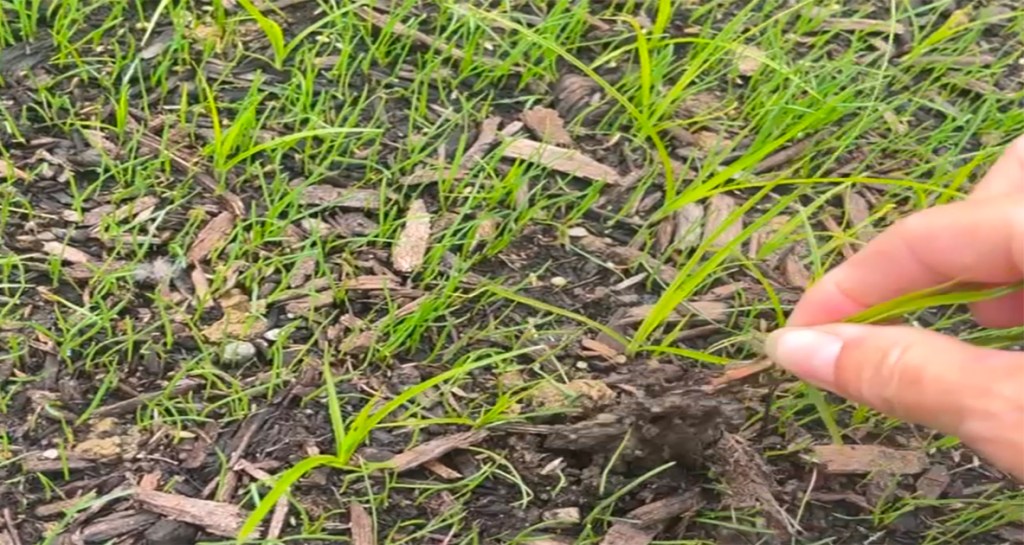
Since it was a small area, I just pulled the nutsedge out by hand. Carefully. I tried to get the little nutlets (yep, that’s a real thing) underground so they don’t regrow immediately.
And now? We wait. It’s a bit of an experiment. The next time I patch a bare spot, I’m going to:
✔️ Make sure the soil is deeper
✔️ Work on better drainage
✔️ Chill out with the watering
✔️ Maybe double-check the order of my steps
Hopefully, I’ll get grass this time—not a botanical prankster weed.
Moral of the Story
Sometimes your “super grass” turns out to be a sneaky weed. But hey, at least I know what nutsedge looks like now. If you’re seeing fast-growing, shiny green blades in your new lawn that look too healthy—grab a plant ID app and check. You might be hosting nutsedge, too.
Sigh. It’s always something. But that’s the lawn life, right?
 The Liz Experiment
Leave a comment